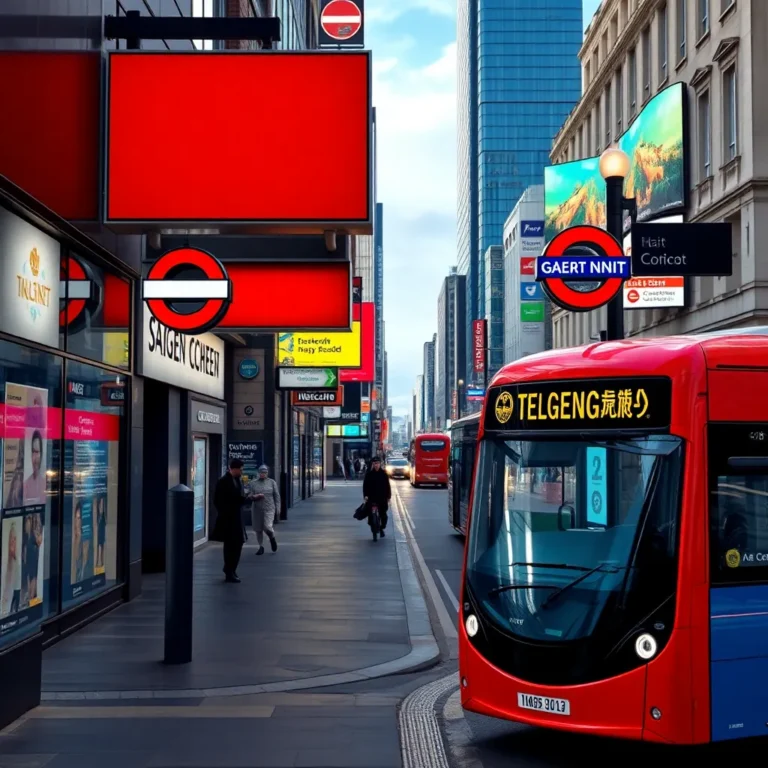
Robotaxis Coming to London Streets by 2027: What Local Drivers Need to Know
Driverless Taxis Are Coming to London Streets — Here’s the Timeline
After decades of trials and testing, driverless taxis will become a permanent fixture on London’s roads by the second half of 2027, following the implementation of the Automated Vehicles Act 2024. This represents a significant shift in how many of us will move around the capital, particularly affecting communities across Hounslow, Whitton, Richmond, and beyond.

Unlike the science fiction scenarios some imagined, these aren’t fully autonomous vehicles with zero human oversight. We’re talking about level four automation — vehicles that operate independently but with safety protocols in place. Three major companies are already running intensive trials across London’s challenging road network: Wayve (in partnership with Uber), Waymo (Google’s subsidiary), and Baidu (working with Lyft). Each is learning how to navigate our medieval street layouts, congested high streets, and unpredictable pedestrian behaviour.
Transport for London has given these trials the green light, viewing them as essential to understanding both opportunities and risks. For residents wondering when you’ll see these vehicles regularly in your neighbourhood, the answer is just over two years away. Registration of interest for trial rides is already open through the respective apps.
What This Means for London’s 13,000 Licensed Black Cab Drivers
The Licensed Taxi Drivers’ Association has expressed measured scepticism rather than outright panic about robotaxis replacing human cabbies. General secretary Steven McNamara points to legitimate concerns: London’s labyrinthine road network, perpetually congested streets, and pedestrians who seem determined to step into traffic create challenges that he argues require human judgment and experience.
There’s also the Knowledge — the legendary test London cab drivers undertake, requiring memorisation of thousands of streets and routes. As one driver colourfully told American broadcaster Anderson Cooper, comparing an autonomous vehicle to a human cabbie is “like comparing a hotdog vendor to Gordon Ramsay.”
However, the threat is real. Predictions suggest London could lose significant numbers of traditional black cab jobs within twenty years. Meanwhile, Uber drivers face an even more precarious situation — the very company they work for appears ready to transition away from human operators entirely. For drivers in areas like Hounslow and surrounding boroughs, this represents genuine employment uncertainty. Community groups supporting local workers should monitor developments closely, and drivers should consider upskilling and exploring how they might adapt to this shifting landscape.
What Residents Should Watch — and How to Stay Involved
For everyday Londoners in Whitton, Richmond, and across the capital, the next two years are crucial for shaping how robotaxis integrate into our communities. Transport for London’s trials are generating real-world data about safety, traffic flow, and user experience — and residents can influence how this develops.
You can register interest now to participate in trial rides through Uber or Waymo apps, providing valuable feedback. Local business owners, particularly in areas with high footfall or congestion issues, should consider how driverless vehicles might affect their neighbourhoods. Community groups focused on local economic development and employment — including those offering services like Hounslow bookkeeping and small business support — should be preparing conversations about workforce transition and retraining.
Watch for: official safety reports on trial performance, expansion announcements into new neighbourhoods, and TfL guidance on integration with existing transport networks. Residents should also demand transparency about insurance, liability, and oversight mechanisms. The next two years will determine whether robotaxis enhance mobility for all Londoners or exacerbate existing inequalities. Your voice matters — engage with local consultations and stay informed through local news sources covering your specific area’s experiences with the trials.
Source: Robotaxis: The Lowdown On Driverless Cars In London