Vanessa Bell & Duncan Grant: Inside Bloomsbury at Tate Britain
A Bloomsbury partnership comes home to Millbank
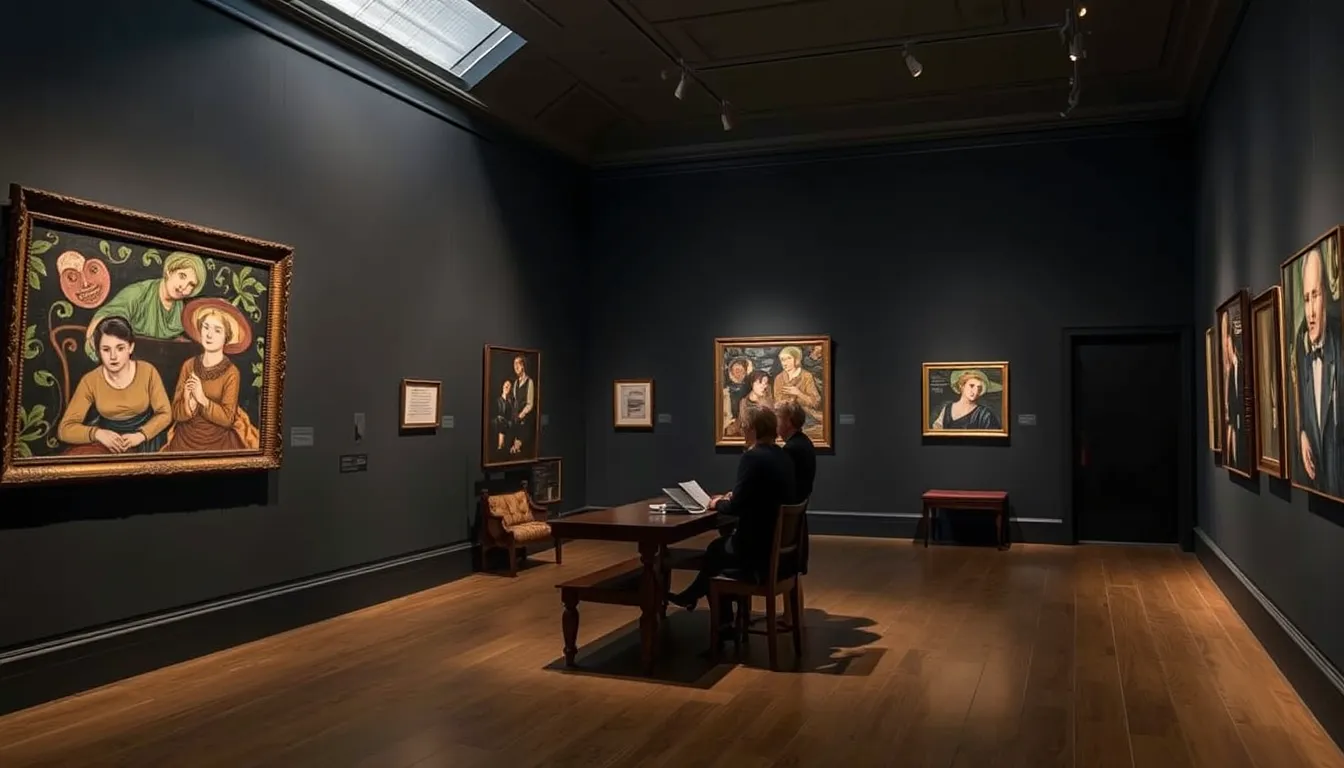
For those of us who live along the western stretch of the Thames, Tate Britain has long been the place we take visitors who want the full sweep of British art. Its riverside home at Millbank, a short walk from Pimlico and across from the Lambeth side of the river, is about to host one of the most personal exhibitions it has staged in years. Vanessa Bell & Duncan Grant: Inside Bloomsbury opens on Thursday 12 November 2026 and runs until Sunday 11 April 2027, bringing together more than 300 works. It is the first major joint exhibition of the pair, who painted side by side for over 50 years, often in the same rooms and sometimes, as the curators like to point out, on the same mantelpiece. The show follows the partnership from the early years to the late works, and it does so with a clear sense of place. Many of the paintings were made at Charleston, the farmhouse near Firle in East Sussex where Bell and Grant lived and worked. If you have ever visited Charleston’s garden or its painted walls, you will recognise the rooms here. For Richmond and Whitton residents, the journey is straightforward. The District line from Richmond takes you to Westminster, and from there it is a pleasant walk to Millbank.

Who is involved, and why local creatives should pay attention
The exhibition sits inside the wider Bloomsbury Group, a circle that included John Maynard Keynes, E. M. Forster and Bell’s sister, Virginia Woolf. Bell designed many of the book covers for Woolf’s novels, and those covers are part of the display alongside the rest of the decorative work. Bell and Grant were also directors of the Omega Workshops, a design collective that refused to treat painting as separate from everyday objects. That means painted chairs, ceramics, textiles and lampstands are on show, not just canvases. One of the standout pieces is the Famous Women Dinner Service, 50 hand-painted Wedgwood plates made between 1932 and 1934, which celebrate women from Cleopatra to Jane Austen. It is one of the few projects the two artists completed together, and it is a reminder that good design can be both playful and carefully made. For anyone running a creative business across Hounslow, this matters. Freelance illustrators, makers and small studio owners often sell prints, commissions and homewares, and tracking that income alongside materials and travel costs is where good Hounslow bookkeeping pays for itself. A quick visit to Tate Britain could become a useful research trip, and keeping receipts for it is a sensible habit. Local galleries such as Orleans House Gallery in Twickenham may also be worth exploring as a companion outing.
Tickets, travel and what to watch next
Tickets for the exhibition cost £20, and entry is free for Tate Members. If you are thinking about a membership, the saving pays off quickly for anyone planning more than one visit before April. Full details, including booking slots and accessibility information, are on tate.org.uk, and it is worth checking the site closer to your visit, as timed entry arrangements can change during busy periods. The best advice from local regulars is to avoid weekend afternoons if you can. Weekday mornings tend to be calmer, and the rooms with the smaller works reward a slower pace. Families and students should look out for any learning events that Tate runs alongside major shows, which often include talks and workshops. Looking ahead, the run ends in spring 2027, so there is a comfortable window for a few trips across the winter months. Keep an eye on Charleston’s own events calendar too, as its programme often echoes the themes of major exhibitions. Whether you come to Millbank from Richmond, Whitton or further afield, this is a rare chance to see a famous partnership in full, and the exhibition makes a strong case for looking beyond the familiar Bloomsbury names.
Source: Tate Britain Is Spotlighting One Of London’s Most Intimate Artistic Partnerships