East End’s First Museum: Art, Class & Community in Victorian London
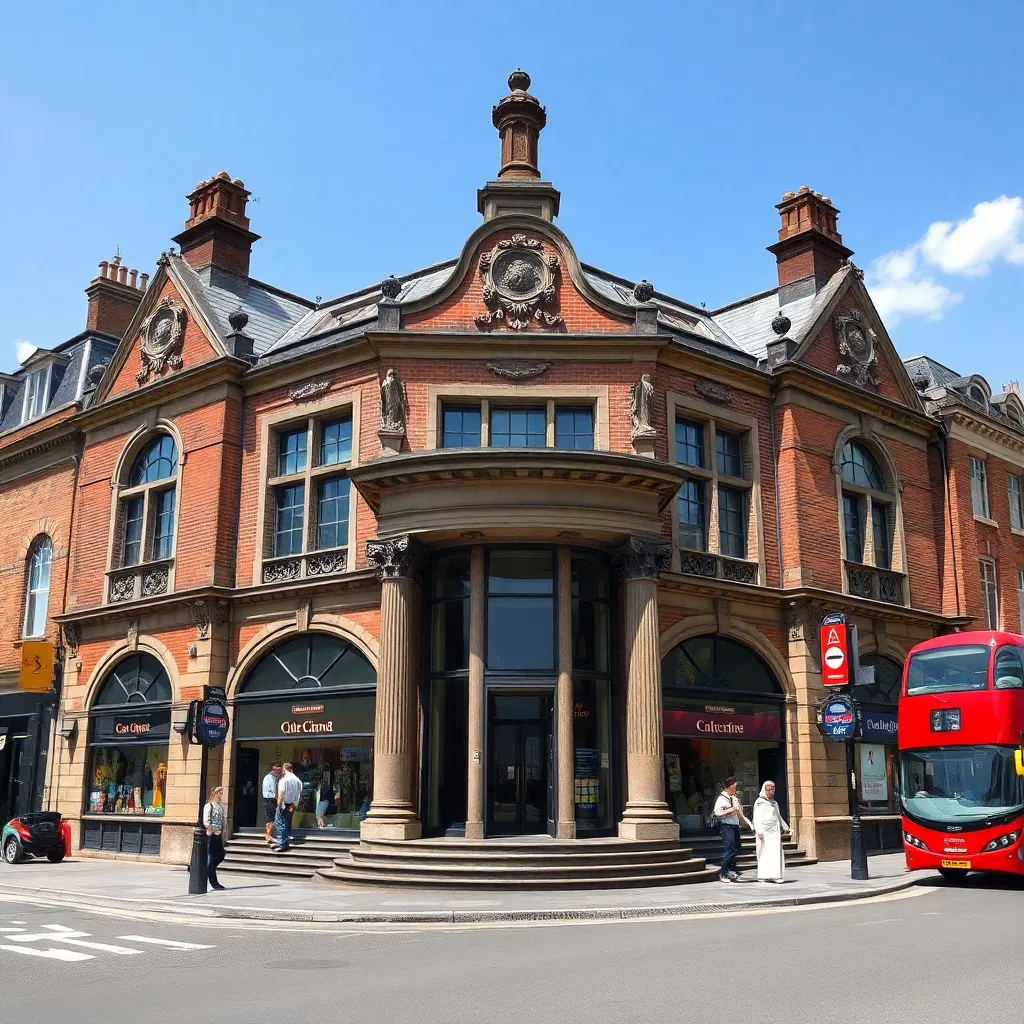
The Bethnal Green Museum, now Young V&A, opened in 1872 as the East London Museum of Science and Art, a groundbreaking initiative to bring culture to the working-class East End. Born from the Great Exhibition’s profits, it repurposed an iron-framed “Brompton boiler” structure from the South Kensington V&A. This museum was a “shock to the system,” challenging Bethnal Green’s reputation as an “othered” district known for squalor and crime, as vividly described by Henry Mayhew and even Dickens.

One of its primary benefits was fostering unprecedented class mixing. Inside, “statesmen and peers” mingled with “butchers, bakers, candlestick-makers,” creating a unique social melting pot. The museum offered free entry most days and extended evening hours, ensuring accessibility for the poorest East Enders, many of whom had never seen fine art. Its opening, attended by the Prince and Princess of Wales, transformed the area into a fashionable cultural hub, attracting West Enders curious about both the art and the local population. After just three months, it drew an estimated 700,000 visitors, predominantly local children and working-class families, who found an “elevating, refining influence” in seeing works by masters like Rubens and Rembrandt. The museum also notably welcomed public breastfeeding, highlighting its inclusive ethos from the start.
However, the venture faced challenges. Initial skepticism questioned the value of “Egyptian antiquities” for a struggling population, echoing arguments about misallocated funds. The grand opening was marred by a vile, dehumanizing report in The Telegraph, which drew widespread condemnation. Logistical and financial delays also hindered its completion. Despite these hurdles, the museum successfully displayed diverse collections, including 1,000 French art objects from Sir Richard Wallace and royal gifts from India, alongside a curious “Animal Products Collection.” Today, as the Young V&A, it continues its legacy of free access, proving its enduring positive impact on Londoners of all backgrounds.
(Source: https://londonist.com/london/history/bethnal-green-museum)