London’s Hidden History: Ghost Signs That Tell Our Stories
Why Ghost Signs Matter to Our Communities
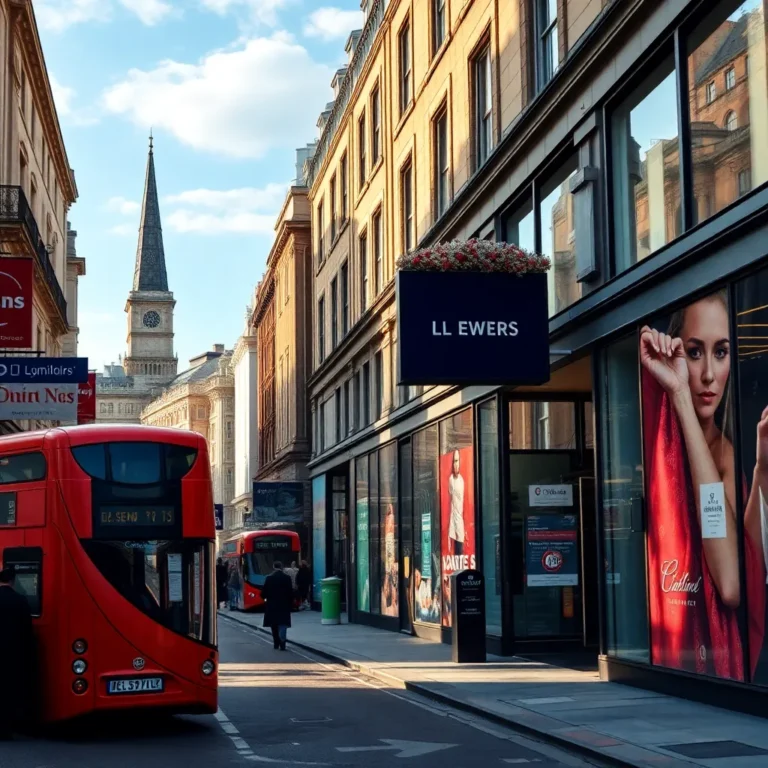
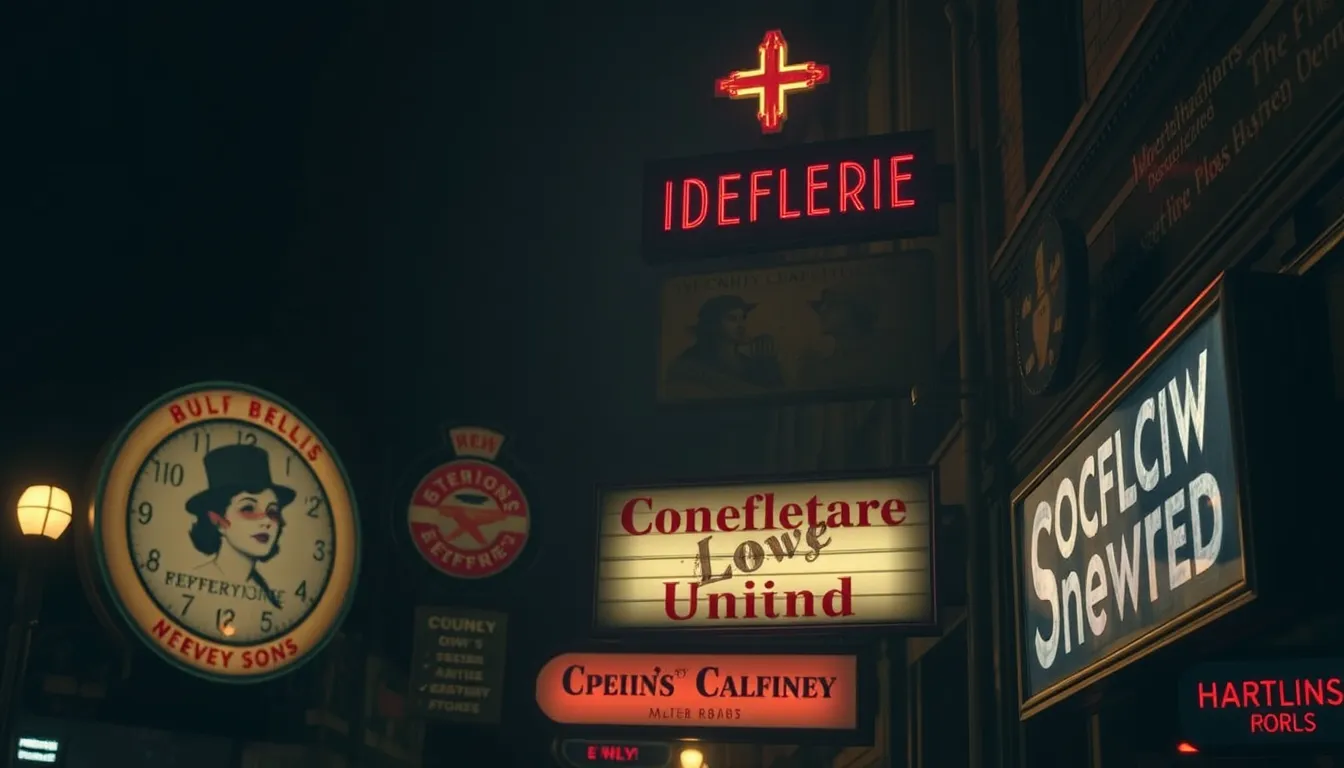
Walking through neighbourhoods like Hounslow, Whitton, and Richmond, you’ll spot faded painted advertisements clinging to building walls—remnants of shops, manufacturers, and services that shaped our communities decades ago. These ghost signs are far more than weathered paint; they’re tangible links to the people who lived and worked in our streets. They tell stories of family businesses, industrial heritage, and changing consumer habits that shaped local economies. For heritage enthusiasts and local historians, these signs represent irreplaceable records of neighbourhood identity. Many residents never notice them, but once you start looking, you realise how many businesses once thrived on our high streets. From the Nestlé signage near Wandsworth Road, dating to the early 1920s with its layers of commercial history, to the distinctive Peterkin custard advertisement in Battersea, each sign marks a specific moment in time. Understanding these visual artifacts helps us appreciate how much our neighbourhoods have transformed and what we’ve lost along the way.

The Businesses Behind the Fading Paint
Behind each ghost sign is a story of local enterprise and ambition. J.S. Foster & Co., a hosier and outfitter that operated from 1910 until 1925 near Rupert Street, used bilingual signage to attract the thriving French hospitality community in early 20th-century Soho. The Peterkin custard sign in Battersea reveals an even more complex narrative—the business was briefly run by a young Joseph Arthur Rank, who would later become famous for Rank Films, despite his father’s doubts. The Boots chemist branch on Camden High Street, operating from 1932 to 1969, represented the democratisation of healthcare, making affordable medicines accessible to working families across the city. These weren’t faceless corporations but community anchors where neighbours shopped, worked, and built their lives. Local historical societies, like those in Wandsworth, have recognised the cultural significance of these signs by nominating them for local listing status. Today’s business owners in areas like Hounslow and Richmond could learn from these historical examples of how local shops became destinations through consistent branding and community trust.
What Local Residents Should Know and Do
If you live in London, becoming a ghost sign spotter enriches your daily commute and connects you to your neighbourhood’s hidden history. Start noticing these faded advertisements on your local high streets—document them with photographs and share findings with local historical societies and conservation groups. Many communities now have dedicated projects cataloguing these signs before they disappear entirely. You can support preservation efforts by nominating significant signs to your local council for heritage protection, as Wandsworth residents did successfully with the Peterkin sign. Schools can incorporate ghost signs into local history projects, encouraging younger generations to appreciate urban archaeology. Consider visiting the locations mentioned—from Battersea Mills area to Camden High Street—to see these signs yourself and understand how retail landscapes have evolved. Community groups working to preserve local heritage need volunteers and supporters. If you’re involved in Hounslow bookkeeping or local business services, recognise these historical businesses as predecessors in your field. Documentation is crucial; as buildings are renovated and modernised, ghost signs disappear. By recording them now, we preserve stories that might otherwise vanish forever, ensuring future generations understand the rich commercial and social tapestry of London’s neighbourhoods.
Source: 10 Ghost Signs To Send A Shiver Down Your Spine