London’s Food Window Revolution: Why Humble Kitchens Are Where the Magic Happens
The Death of Flash, the Rise of Authenticity
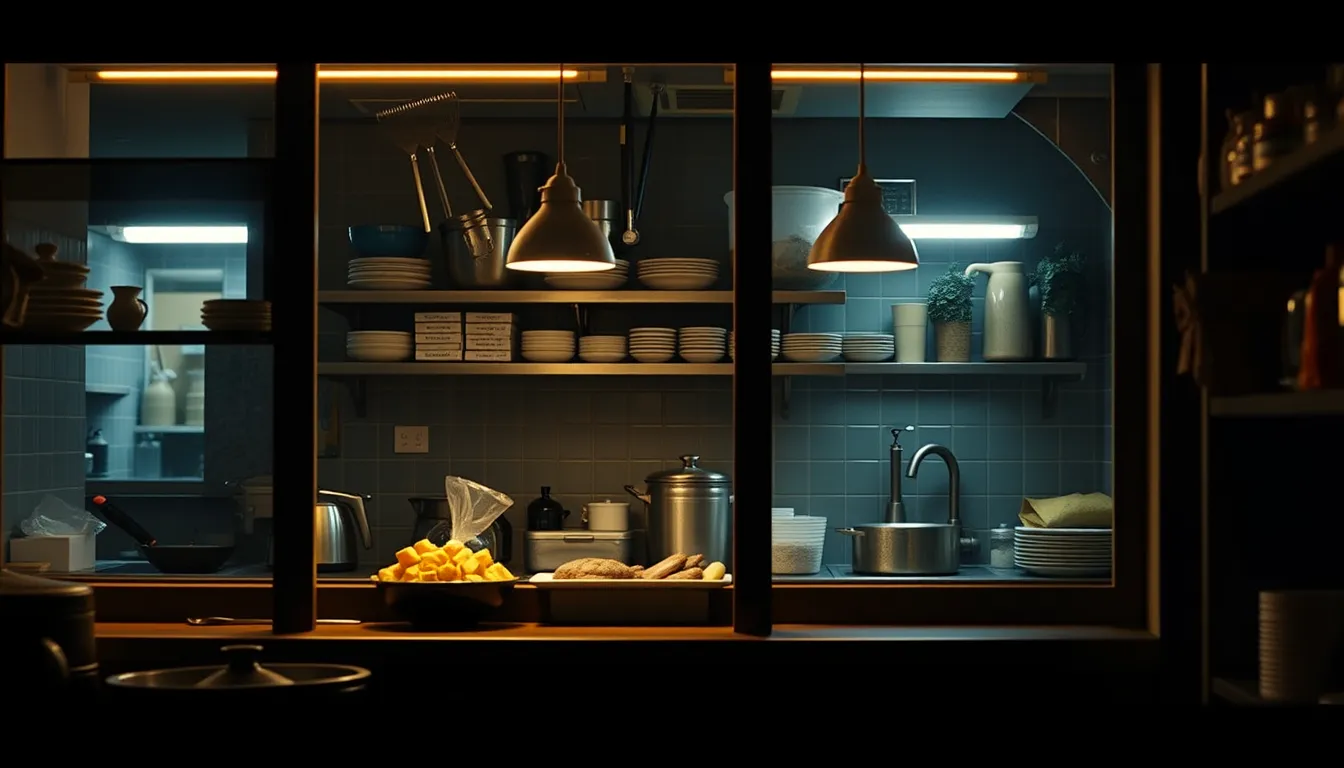
Walk past any London high street these days and you’ll notice something shifting. While flashy fine dining establishments still draw crowds to their velvet booths and Instagram-worthy interiors, a quieter revolution is underway in neighbourhoods from Stoke Newington to Kennington. The city’s most exciting new food businesses have ditched the theatrical dining room entirely, replacing it with something far more intimate: a window, a hatch, or simply a knock on a residential door.

This isn’t accidental minimalism—it’s a deliberate rejection of style over substance. Places like Thai Ban on Stoke Newington High Street operate from a burgundy-painted wall with no seating area whatsoever, serving authentic Northern Thai khao soi through a simple ordering window. Meanwhile, Mr Cow in Kennington has taken the concept to its logical extreme: the window is so small customers must literally kneel to place their orders for rich belly beef noodles. Yet these humble setups consistently attract queues of devoted locals who’d rather queue outside than sit in any polished dining room. The appeal is straightforward—exceptional food, made without pretence, served at prices that reflect craftsmanship rather than ambiance.
From Council Registration to Home Kitchen Suppers: How It Works Locally
If you’ve been curious about those viral posts from Bếp Mẹ in Bermondsey or wondered how Handyman Sushi operates legally from a London Fields flat, the answer lies in proper registration with local councils. Every food business operating from a residential kitchen—whether in Hounslow, Whitton, Richmond, or anywhere across London—must register with their local authority and undergo the same rigorous hygiene inspections as traditional restaurants. This legitimacy is crucial for both operators and residents who want assurance that their banh mi or sushi omakase meets food safety standards.
For community groups and local organisations, this regulatory framework has opened remarkable opportunities. Maureen’s Brixton Kitchen has operated from a front yard for over two decades, building genuine relationships with neighbours while serving authentic Jamaican cuisine. These aren’t fly-by-night operations—they’re neighbours becoming small business owners, contributing to the local economy and food culture. Local councils have become facilitators of this movement, recognising that registered home-based food businesses actually strengthen community connections. For residents interested in supporting these ventures, checking that councils have issued proper ratings ensures you’re backing legitimate, inspected operations. The transparency transforms what might seem risky into something thoroughly vetted and accountable.
What This Means for Your Neighbourhood’s Future
This food window phenomenon carries real implications for how London’s residential areas will develop. When talented home cooks register as food businesses, they’re not just launching personal ventures—they’re revitalising high streets and creating gathering points in their own neighbourhoods. Stoke Newington, Kennington, and other areas where these operations concentrate are becoming food destinations in their own right, drawing visitors specifically to seek out these authentic, unpretentious spots.
For local residents, the message is clear: support these businesses intentionally. Keep an eye out for new window openings in your area, check your local council’s food business register to discover registered home operations you might otherwise miss, and spread word through community social media groups. These ventures often rely entirely on word-of-mouth rather than expensive marketing budgets. If you run a small business yourself—whether bookkeeping services in Hounslow or freelance work elsewhere—consider how the home-based business model might apply to your circumstances. Meanwhile, watch your local council’s planning and registration announcements; more neighbourhoods are likely to see similar food window openings as this trend continues. The future of London’s food scene isn’t in grand dining rooms—it’s being built one hatch window at a time in our own streets.
Source: Home Cooking In London Has Never Been This Good