Hidden WW2 Bomb Shelter Opens in Mortlake: A Window Into London’s Past
A Perfectly Preserved Wartime Relic on Your Doorstep
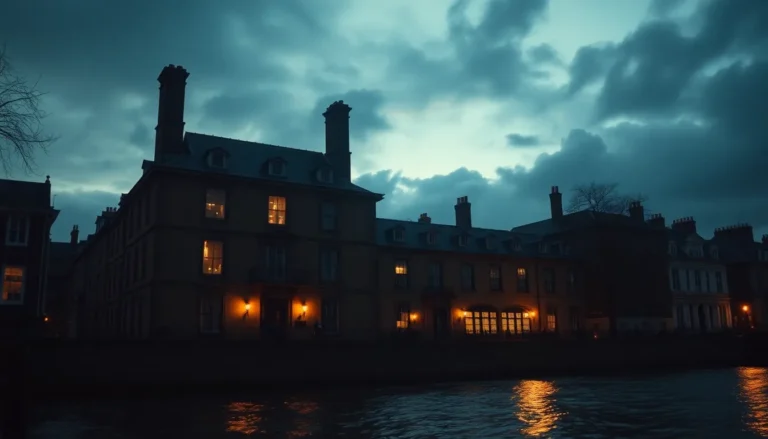
If you’ve ever walked past the unassuming 1930s apartment block at St Leonard’s Court in Mortlake, you’d be forgiven for not realising you were standing above one of London’s most significant wartime survivors. Hidden beneath the grass forecourt lies a Grade II-listed bomb shelter—a remarkably intact capsule from the Second World War that transport visitors back to the terrifying days of the Blitz.

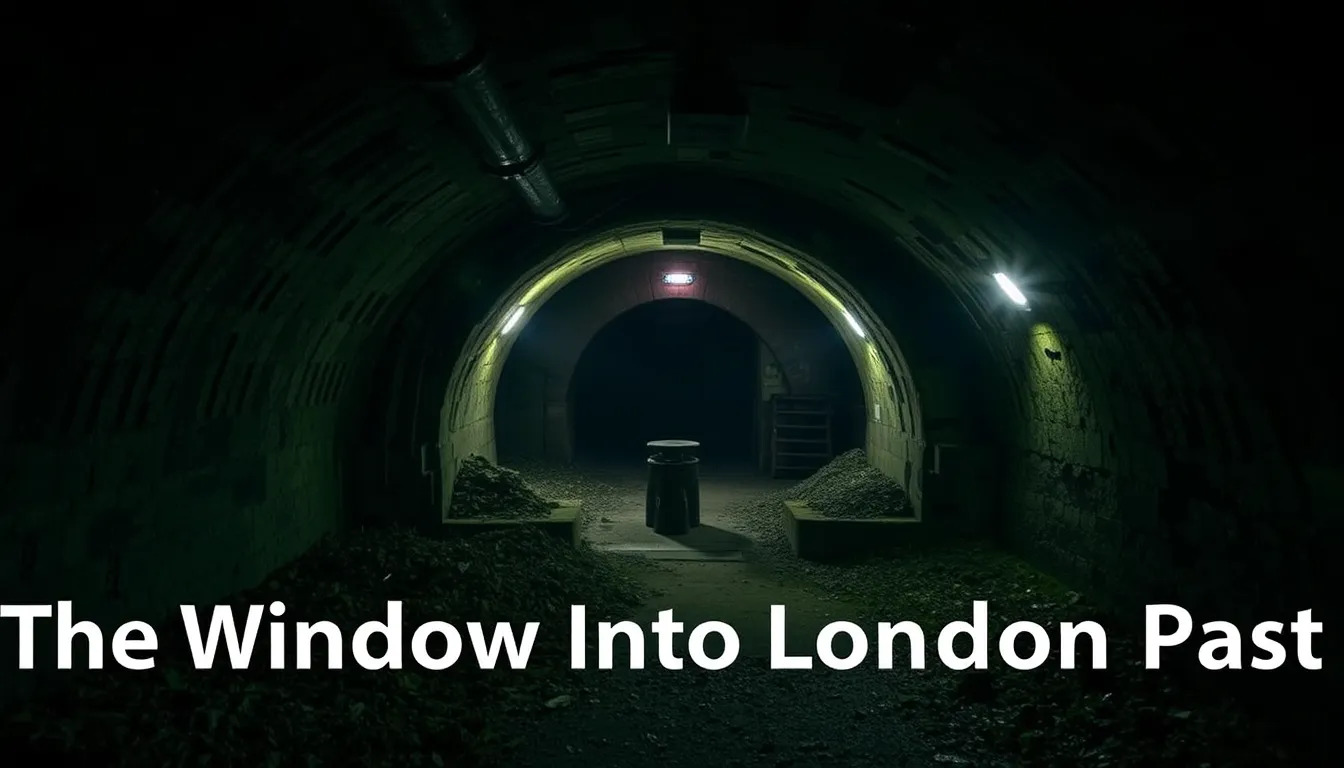
Constructed between 1938 and 1939, as war clouds gathered over Europe, this shelter represents a snapshot of how ordinary south-west London residents prepared for and endured bombing raids. The structure itself is ingenious: reinforced concrete sits metres underground, accessed via an inconspicuous conical hut that locals might mistake for a garden shed. White skylights—resembling drain covers—peek through the grass above.
What makes St Leonard’s Court exceptional isn’t just its age or condition. It’s that so few of these shelters survived the post-war decades. Most were demolished, filled in, or fell into disrepair. This one, thanks to dedicated conservation work by local charity Habitats and Heritage, remains essentially unchanged—complete with original numbered pegs, chemical toilets, metal escape rungs, and bunk frames. It’s a living museum of civilian wartime experience.
Life in the Bunker: Cramped, Uncomfortable, Essential
To understand what residents endured, picture this: during the height of the Blitz, you’d descend steep steps into a narrow corridor. Two identical rooms branched off—each designed to hold 60 people. Not comfortably. Benches lined the walls where you’d sit upright for hours, sometimes the entire night, while explosions rumbled overhead. The only facilities were unlit chemical toilets in separate male and female sections. Sleep was impossible; comfort was a luxury nobody had.
By 1940, the strain showed. An extension was built adding sleeping accommodation—48 triple-tier bunks, segregated by gender except for married couples. Residents paid £7 annually to rent a bunk (roughly equivalent to £400 today). The original seated rooms remained free but were hardly appealing alternatives.
The cramped conditions reveal how vulnerable ordinary people felt. Those who sheltered here had jobs to return to each morning. Many spent nights here during the eight months of intensive bombing, emerging exhausted to face another working day. Remarkably, no bomb ever struck St Leonard’s Court itself, yet the shelter was in constant use. Those white metal rungs in each corner—emergency escape routes—remain as reminders that danger felt very real to residents seeking safety underground.
Visiting History: How to See Inside the Shelter Yourself
If exploring wartime London fascinates you, St Leonard’s Court deserves a visit. The shelter opens annually during London’s Open House Festival each September, when thousands of heritage-minded locals and visitors gain access to normally private buildings across the capital. It’s your chance to descend those steep steps, squeeze through the narrow corridors, and stand where ordinary Mortlake and Hounslow-area residents once huddled during air raids.
Beyond Open House, group bookings can be arranged through Habitats and Heritage, the local conservation charity leading restoration efforts. They’ve meticulously cleared detritus and protected the shelter from damp—preserving it for future generations.
Mortlake itself brims with hidden historical gems. Just across the rail tracks lies an atmospheric graveyard containing the striking Burton Mausoleum—shaped like a Bedouin tent and honouring Sir Richard and Lady Burton. Walking Sheen Road toward Richmond reveals surviving alcoves from the original Old London Bridge, tucked away on the Courtlands Estate. The area represents a genuine outdoor museum of London’s layered past. Whether you’re a history enthusiast, heritage buff, or simply curious about your neighbourhood’s wartime story, St Leonard’s Court offers something genuinely unique: a chance to touch and experience authentic social history.
Source: The WW2 Bomb Shelter Hiding Down A Residential Street In SW London