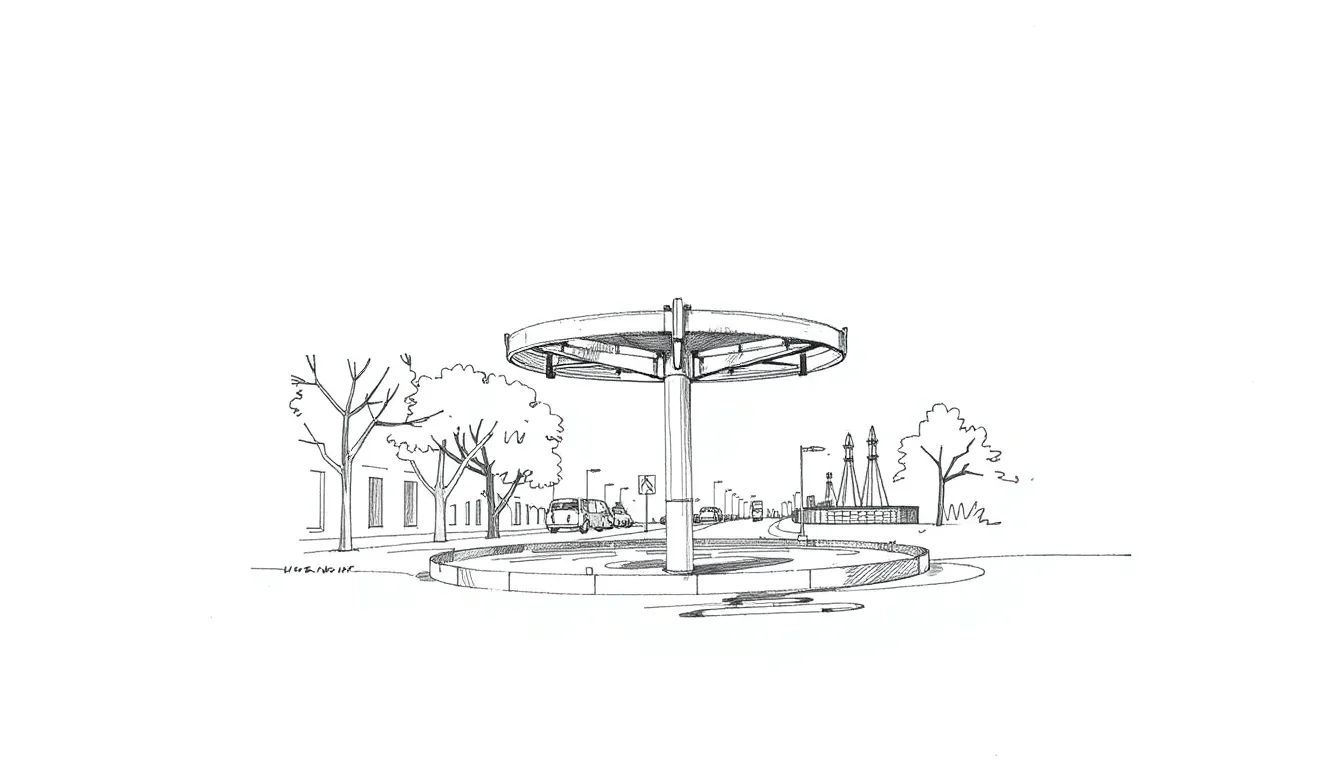
Hounslow’s Unsung Heroes: The Surprising History of Traffic Islands
Unearthing Hounslow’s Everyday History
Our daily lives unfold amidst a tapestry of urban features, many of which we scarcely notice, yet they hold fascinating stories. Take, for instance, the humble traffic island. In a bustling borough like Hounslow, these small concrete havens are an integral part of our streetscape, silently guiding pedestrians and managing traffic flow. While they might seem like purely functional additions, their origins reveal a rich history of urban planning and a continuous effort to make cities safer and more accessible. From the busy intersections near Hounslow High Street to quieter residential areas in Whitton, these islands serve as crucial points of refuge, allowing residents to navigate busy roads with greater ease. Understanding their development offers a unique perspective on how our communities have evolved to meet the practical needs of their inhabitants, connecting the past with our present-day urban experience.

The Surprising Tales from London’s Crossroads
Across London, the history of traffic islands is filled with unexpected anecdotes and significant landmarks. Some islands mark places of grim historical importance, such as the triangular refuge near Marble Arch, which stands on the site of the ancient Tyburn gallows. Others have found fame through popular culture; one island, immortalised in the opening credits of the comedy series ‘Bottom,’ now bears a plaque commemorating the late Rik Mayall. However, one of the most compelling stories belongs to what is widely believed to be London’s very first traffic island. Established in 1864 at the distinguished junction of Piccadilly and St James’s Street, it was championed by Colonel Pierpoint to assist elderly pedestrians. Yet, in a twist of profound irony, the Colonel was tragically run over and killed by a carriage on the very day his new safety measure was unveiled, a poignant reminder of urban life’s unpredictable nature and the early efforts towards pedestrian safety.
Local Impact and Hounslow’s Pedestrian Priority
Bringing these historical insights back to our local community, the presence and careful planning of traffic islands continue to be vital for Hounslow, Richmond, and Whitton residents. These seemingly small pieces of infrastructure play a significant role in enhancing pedestrian safety, breaking down the challenge of crossing multi-lane roads into manageable steps. This improved accessibility not only benefits individuals but also contributes positively to the local economy by encouraging footfall to High Street businesses and making areas more appealing. The effective maintenance and strategic placement of such public amenities are crucial responsibilities for local authorities. Ensuring transparent and efficient financial management, particularly through careful Hounslow bookkeeping, guarantees that funds are wisely allocated to projects that directly benefit the community, supporting both safety and the overall vibrancy of our cherished neighbourhoods.
Source: The Micro-History Of A Traffic Island