Inside Richmond’s Secret Monument: The Mysterious Kilmorey Mausoleum
The Secret Monument on Our Doorstep
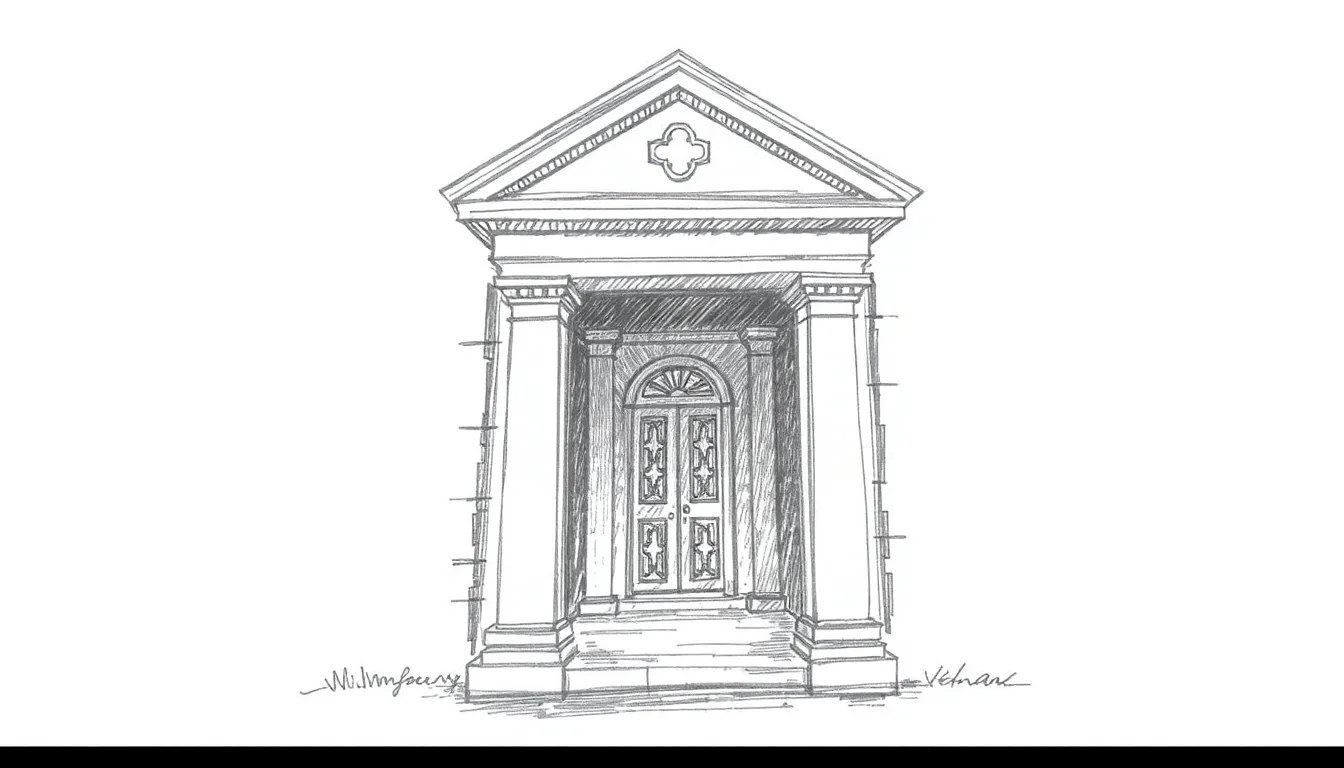
Tucked away behind a towering three-metre-high brick wall in the quiet residential enclave of St Margaret’s, Richmond, lies one of London’s most extraordinary yet least-known architectural marvels. The Kilmorey Mausoleum, a striking Egyptian-style tomb crafted from solid pink and grey granite, remains a secret to many who pass it daily. Originally built in the 1850s, this imposing monument is not just a masterpiece of Victorian design; it is a fascinating piece of our local heritage that connects Richmond to a scandalous 19th-century love story. For residents of Richmond and neighbouring Whitton, the mausoleum is a proud local landmark that offers a rare glimpse into the eccentricities of the past. It serves as a reminder of how much history is woven into the very fabric of our suburban streets. While most historic tombs stay firmly in one place, this particular monument has a reputation as London’s most peripatetic mausoleum, having been dismantled and moved four times before finally settling in our corner of West London. It represents a unique architectural treasure that local heritage enthusiasts have worked tirelessly to preserve for future generations to explore.

Scandal, Obsession, and the Earl’s ‘Wandering’ Tomb
The story behind the mausoleum is as dramatic as any modern soap opera. It was commissioned by Francis ‘Black Jack’ Needham, the 2nd Earl of Kilmorey, for his young ward and mistress, Priscilla Anne Hoste. When Priscilla tragically succumbed to a heart condition in 1854, her grieving partner had her interred in this grand tomb. But the Earl’s obsession didn’t stop there. Whenever he moved house, the tomb—and Priscilla’s remains—went with him. It traveled from Brompton Cemetery to Weybridge, and finally to Richmond in 1868, where a legendary secret tunnel allegedly linked the Earl’s house to the tomb. Today, keeping this incredible history alive relies on dedicated community members. Local historian Andrew George recently led an exclusive tour for history enthusiasts, bringing the Earl’s bizarre exploits to life. Managing and maintaining such historical sites requires community effort and proper administration. Just as local heritage groups rely on structured organization, local independent traders and preservation trusts often partner with professional services, like local Hounslow bookkeeping experts, to manage their accounts and ensure funding keeps these historic sites open to the public.
What Lies Ahead: How Richmond Residents Can Get Involved
For Richmond and Whitton residents, the Kilmorey Mausoleum is more than just a historical curiosity; it is an active community asset. The walled garden surrounding the tomb acts as a peaceful wildlife sanctuary, lovingly maintained by local volunteers who protect its unique microclimate. If you want to experience this hidden wonder yourself, look out for upcoming open days hosted by local heritage trusts, which offer rare opportunities to step inside the gates and view the spectacular granite structure up close. Moving forward, the community is encouraged to support ongoing conservation efforts, either through volunteering for garden maintenance days or attending local history talks. Keeping landmarks like the Kilmorey Mausoleum accessible ensures that our borough’s unique identity is preserved for decades to come. Residents can also advocate for better signage and educational outreach to help school groups learn about West London’s rich history. Keep an eye on local community boards and heritage newsletters for the next scheduled public opening, and take the chance to discover the incredible “wandering tomb” resting right in our own backyard.
Source: The Wandering Tomb Of Richmond: Inside the Kilmorey Mausoleum