Kew Gardens Launches £1m Appeal to Save Historic Palm House
An Icon in Need: Why the Palm House Matters to Our Community
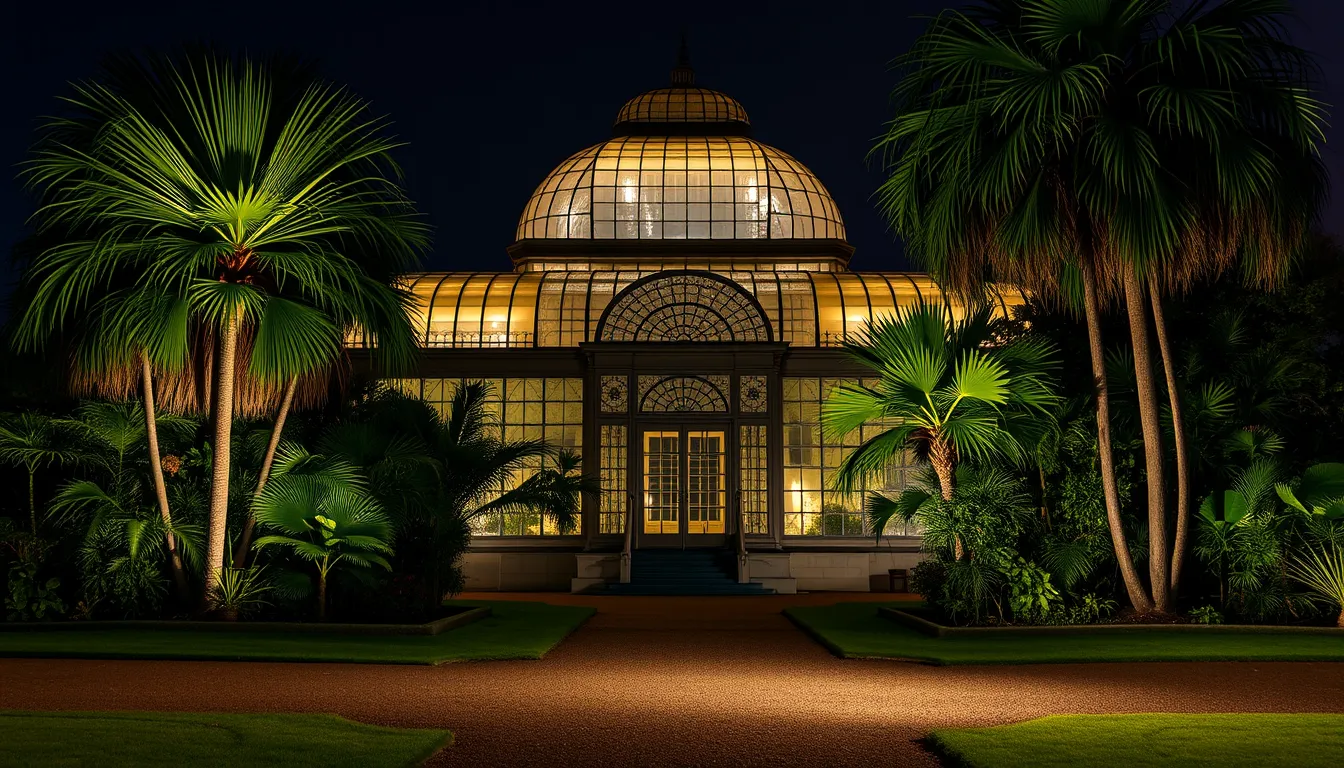
For over 175 years, the Palm House has stood as one of Kew Gardens’ most recognisable structures—a stunning Grade-I listed Victorian glasshouse that draws visitors from across West London and beyond. Located in Richmond, just moments from Whitton and accessible to residents throughout Hounslow, this botanical treasure represents far more than a beautiful building. It’s a living laboratory where endangered tropical plants are preserved and studied, protecting species that no longer exist in their natural habitats. The Palm House houses rare ferns, palms, and flowering plants from rainforests worldwide, making it scientifically invaluable to researchers combating biodiversity loss. For decades, locals have watched school groups, families, and international tourists marvel at the lush ecosystem contained within its distinctive glass walls. Many residents grew up visiting the Palm House, creating cherished memories within its humid chambers. The building’s deterioration threatens not just a heritage landmark, but an active conservation hub that supports global environmental research.

The Restoration Challenge: £66m Project, £1m Public Appeal
Kew Gardens has faced a stark reality: without intervention, the Palm House’s 16,000 individual glass panes and Victorian infrastructure cannot survive another generation. The full restoration project carries a £66 million price tag—an enormous undertaking that includes complete re-glazing, installation of renewable heating systems, and innovative rainwater harvesting infrastructure. When completed in 2032, it will become the world’s first carbon-neutral Victorian glasshouse, setting a new standard for heritage building conservation. Kew has already secured roughly half the funding through grants and major donations, but now they’re reaching out to local communities and the public to bridge the gap with a £1 million appeal. The fundraising campaign offers multiple ways to participate: direct donations, sponsoring individual glass panes (£25-£100 depending on size), or symbolically supporting specific plant species from £25 upwards. Contributors receive digital certificates recognising their support. The closure begins in 2027, lasting five years. Temporary and permanent replacement glasshouses have been constructed to house most plants during renovation, though some ancient trees proved too large to relocate.
How You Can Help—And What Happens Next
The appeal presents an accessible opportunity for local residents and plant enthusiasts to become part of Kew’s conservation legacy. Whether you’re searching for a unique gift for someone who has everything, or simply want to support environmental science, sponsoring a pane of glass or endangered plant species offers tangible impact. Visit Kew Gardens’ official appeal page to learn more about contribution options and receive your personalised digital certificate. Beyond fundraising, this project reflects broader challenges facing heritage institutions across London. The Temperate House underwent similar restoration (2012-2018), demonstrating both the necessity and success of such ambitious programmes. The Great Pagoda’s 2018 reopening similarly proved that investing in heritage infrastructure pays cultural dividends for the entire community. For locals in Hounslow, Whitton, and Richmond, the Palm House represents accessible world-class science and education. Watch for updates as the 2027 closure approaches. Consider visiting now to appreciate this botanical marvel before the extensive five-year restoration begins. This is a rare moment when individual contributions directly support cutting-edge conservation work protecting our planet’s biodiversity.
Source: Kew Gardens Needs To Raise £1 Million To Save Its Famous Palm House