Milk Tea Craze Sweeps West London as New Cafés Open
The Milk Tea Phenomenon Takes Off in Our Neighbourhoods
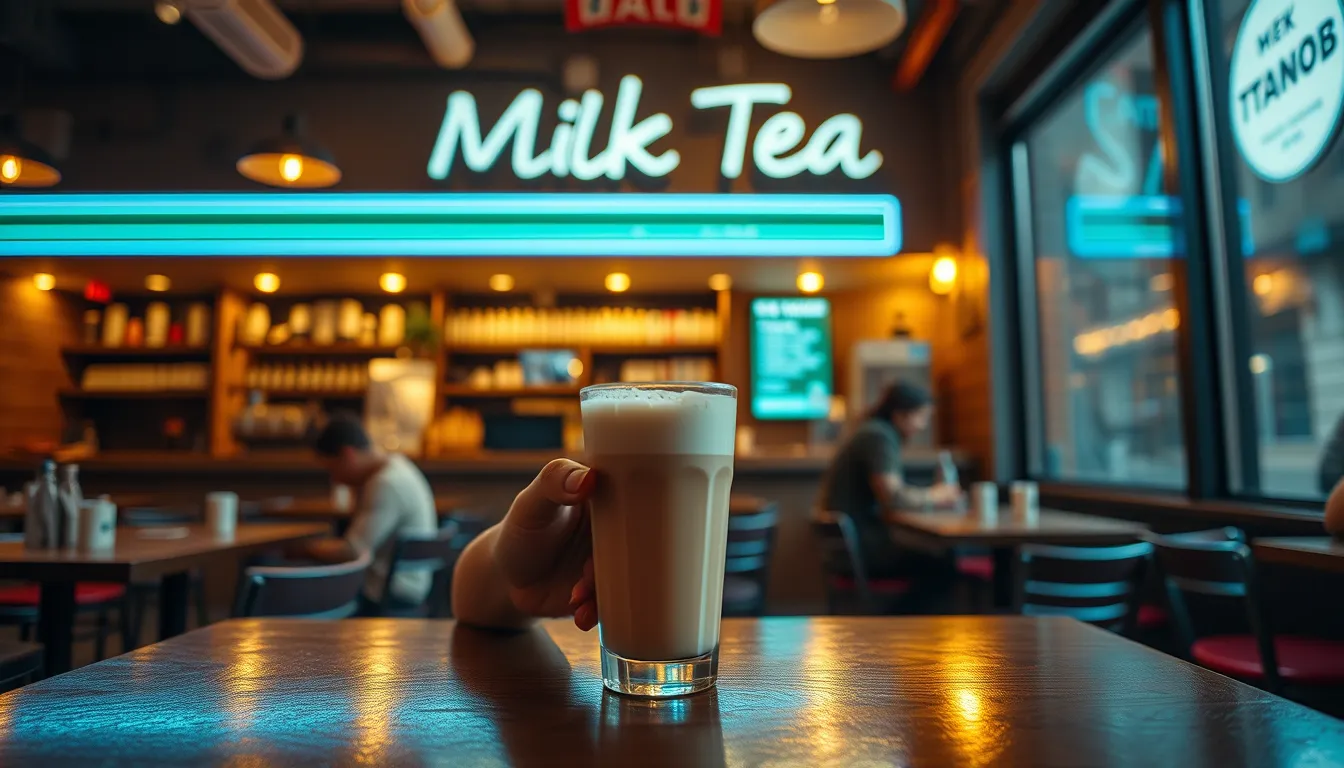
Walk through Hounslow or Whitton’s high streets these days, and you’ll notice something unmistakable: queues forming outside newly opened milk tea shops. What started as a niche trend has exploded across West London, with young people and families alike seeking out these sweetened, creamy brews that have captured the imagination of an entire generation.

Milk tea encompasses a range of tea-based drinks with roots stretching back to Hong Kong during the mid-20th century. British colonists preferred their tea strong, so local café owners developed their own signature blends using evaporated milk instead of fresh cream. Fast forward to today, and Chinese brands have revolutionised the category with “new Chinese tea” – a fruitier, more floral take featuring freshly brewed leaves rather than concentrates.
What’s driving this obsession in our community? Part of it is the rise of “little treat culture.” For young Londoners facing impossible property prices and genuine financial pressures, a beautifully crafted cup of milk tea with cheese foam for under a tenner represents an accessible luxury – a small dopamine hit in uncertain times. These drinks are inherently Instagrammable, designed to satisfy our collective hunger for that perfect social media moment.
Local Businesses and Community Venues Embrace the Trend
Several key players are bringing this phenomenon directly to our doorstep. HEYTEA, the global giant that pioneered cheese foam tea for mainstream audiences, now operates multiple locations across London with plans for expansion including their new HEYTEA Lab on Shaftesbury Avenue, featuring pastries and gelato alongside signature drinks.
But it’s not just international chains capitalising on this moment. UK-born businesses like Chayan, which opened in Holborn in 2023, have expanded to four London sites, using aromatic loose leaf bases to create more delicate, less intensely sweet options. HOKO brings authentic Hong Kong milk tea traditions to Brick Lane and beyond, hand-brewing their signature Lai Cha daily in small batches using Ceylon tea – perfectly paired with their Ovaltine cream buns and horlicks Swiss rolls.
Even established retailers are getting involved. CHA DONG, founded in 2021, produces bottled milk tea brewed in small batches with just four simple ingredients: water, evaporated milk, black tea, and sugar. You can now find their products in independent groceries, restaurants, and cafés across West London, including selections in major food halls.
For local café owners and food entrepreneurs, this trend represents genuine opportunity – new revenue streams and footfall that’s revitalising high streets.
What This Means for West London Residents and What’s Next
If you live in Hounslow, Whitton, Richmond, or surrounding areas, here’s what you should know: the milk tea boom is likely coming to a venue near you soon. This isn’t just hype – the permanent queues outside established locations suggest staying power. For young people particularly, these drinks offer affordable indulgence during challenging economic times. For families, they’re an increasingly mainstream part of London’s diverse food and beverage landscape.
But there’s more to understand about this shift. The trend reflects broader changes in how we consume food, how social media drives purchasing decisions, and how quickly product cycles move in today’s market. This year’s fascination with Chinese wellness practices and cultural imports has accelerated adoption, but the core appeal – quality ingredients, Instagram-worthy presentation, and genuine taste – suggests milk tea will remain rather than vanish like previous fads.
Local residents should watch for new openings in their neighbourhoods and support independent venues experimenting with their own takes on these drinks. For small business owners and bookkeepers managing café finances, understanding these trend-driven purchasing patterns is crucial for inventory management and forecasting. Most importantly, this represents an exciting evolution of London’s food culture – one where innovation, accessibility, and community connection intersect at the counter of your local milk tea shop.
Source: Moo-ve Over Matcha, Milk Tea Is Taking Over London