Peckham’s Glass Pioneer: The 1930s Health Revolution
When Peckham Led the World in Wellness
Walk through Peckham today, past the familiar terraced houses and local shops, and you’d be standing where one of the world’s most radical health experiments unfolded. Back in the 1930s, two pathologists—George Scott Williamson and Innes Pearse—arrived with a radical idea: health wasn’t simply the absence of illness, but the full flourishing of human life. They weren’t looking to establish a clinic in a wealthy neighbourhood like Richmond or Whitton. Instead, they chose Peckham deliberately for its diverse community of artisans, labourers, and professionals—ordinary people living ordinary lives. For just sixpence a week, locals could access health check-ups, swimming, gymnastics, and social activities. What they discovered shocked them: two-thirds of members believed they were healthy when they actually weren’t. The problem wasn’t just physical—it was loneliness, poor nutrition, and a fractured sense of community. This insight would reshape how an entire generation thought about wellbeing.

The Glass Building That Changed Everything
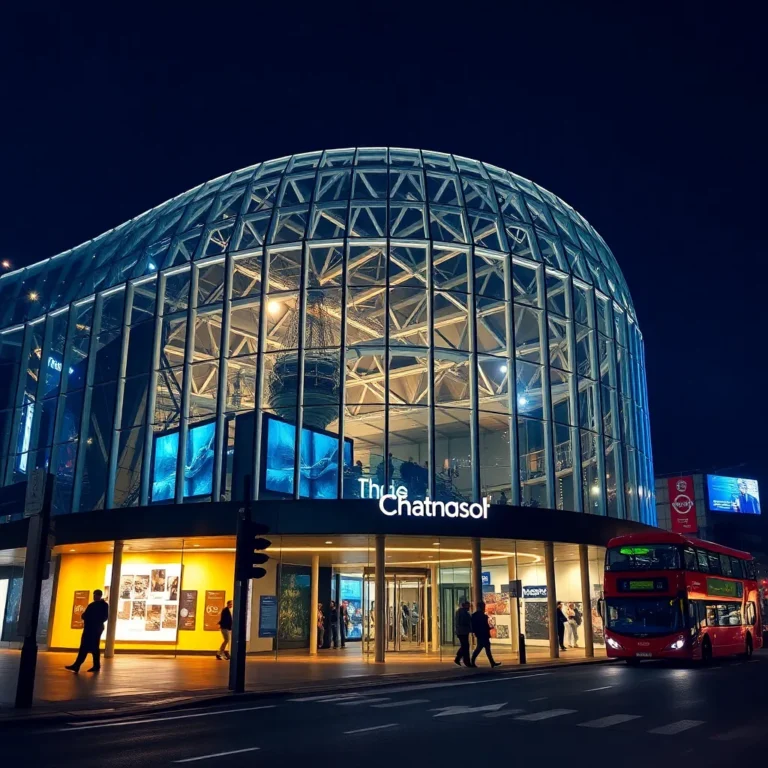
In 1935, architect Owen Williams delivered something extraordinary: the Pioneer Health Centre on St Mary’s Road. Encased almost entirely in glass, it looked like nothing Peckham had ever seen—a shimmering beacon amid rows of brick. Contemporary observers called it ‘an oasis of glass in a desert of brick,’ and even Bauhaus founder Walter Gropius praised its revolutionary design. But this wasn’t just architecture for aesthetics. The open-plan layout, centred around a swimming pool, encouraged members to move freely and interact spontaneously. Doctors could observe people at leisure, treating the entire building as a ‘laboratory of life.’ Beyond the pool and gymnasium, there was a library, creche, solarium, and gardens. Food came fresh from an organic farm in nearby Brockley. Children learned through play and exploration with minimal adult direction. Dance competitions, theatrical performances, and community activities flourished organically. Members even created their own ‘Pioneer Waltz.’ This wasn’t healthcare as we know it—it was community building dressed in modernist glass.
A Legacy Still Relevant for South London
The Pioneer Centre closed during the Second World War, but its influence never faded. Today, the Peckham Experiment CIC keeps this history alive, reminding South Londoners what visionary community health looked like. As co-founder Dan Liston explains, this was ‘the first health centre in the world’ because it treated health holistically—nurturing wellness rather than simply treating disease. The centre preceded the leisure centres that emerged across the UK in the 1960s, yet it offered something deeper: integration of health, education, culture, and community under one roof. For residents across South London—whether in Peckham, Hounslow, or beyond—the Pioneer’s story raises urgent questions. In our fragmented modern world, where isolation and poor nutrition remain widespread, do we have spaces that genuinely nurture community wellbeing? Local residents should explore the Peckham Experiment CIC’s work and visit the historic site. Understanding this pioneering vision reminds us that genuine health solutions emerge when communities gather, participate freely, and support one another. That’s as true today as it was 90 years ago.
Source: The Pioneer Health Centre: A Glassy 1930s Utopia In Peckham