Seething Lane: London’s Hidden Street Linked to History’s Most Famous Diarist
A Forgotten Street With Extraordinary Significance
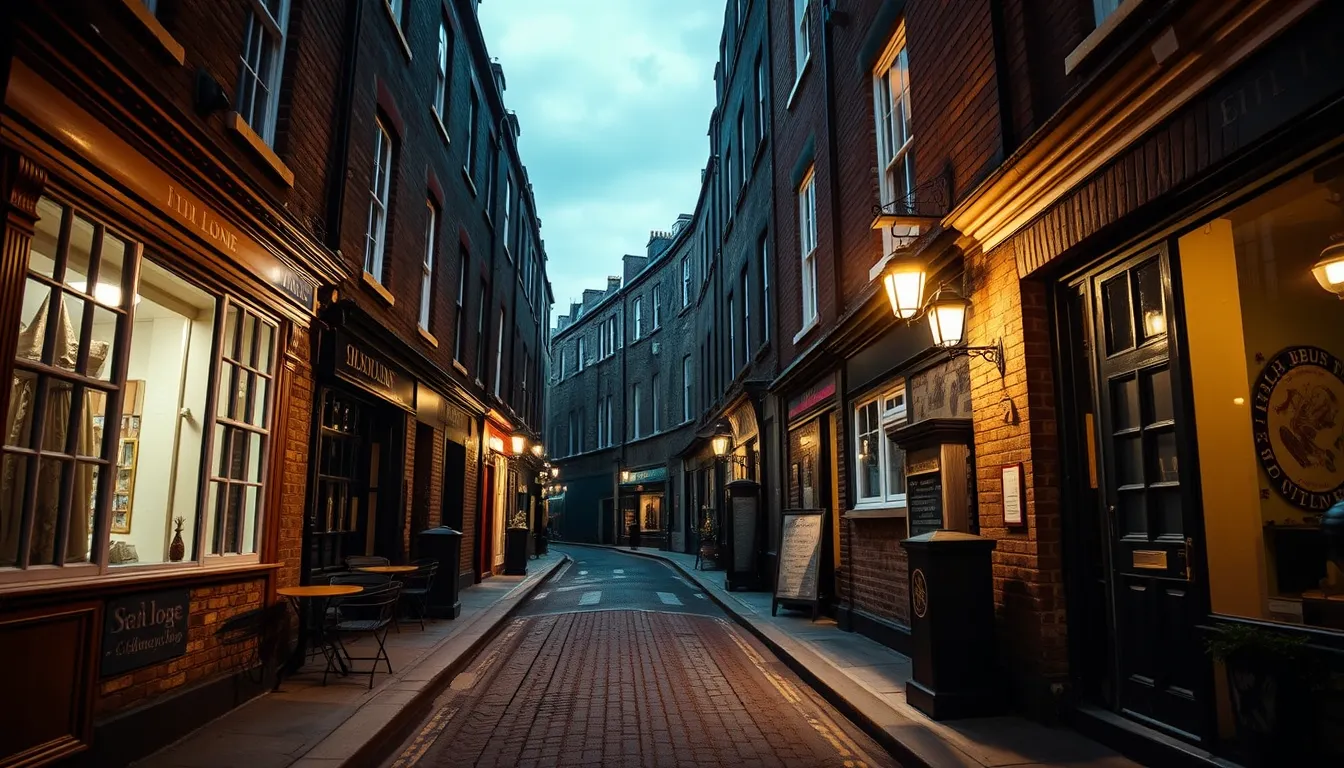
Walking down Seething Lane today, you’d be forgiven for missing its historical importance. This narrow 160-metre passage, sandwiched between the iconic Tower of London and the busy Fenchurch Street corridor, appears to be just another City side street. Yet it holds a cherished place in English literary heritage as the residential and professional home of Samuel Pepys, author of the nation’s most celebrated diary.

From 1660 to 1673, Pepys documented his daily existence with remarkable candour and detail, creating a vivid window into 17th-century London life. What makes his account particularly valuable to local historians and residents is its unflinching honesty—Pepys recorded not just significant historical events, but also his personal failings, romantic interests, and everyday frustrations. His observations range from amusing anecdotes about church services to powerful eyewitness accounts of the Great Fire of London. Today, visitors and local researchers regularly traverse this modest thoroughfare, contemplating the rooms where one of history’s most important chroniclers once lived and worked, making it essential pilgrimage territory for anyone interested in understanding London’s past.
St Olave’s Church: Pepys’ Legacy Survives the Blitz
The most tangible connection to Pepys’ life on Seething Lane is St Olave’s Church, which still stands at the corner of Hart Street. Pepys was a regular parishioner, and his diary contains numerous references to the church beginning in August 1660. Interestingly, his notes reveal he was rather critical of sermon quality and occasionally distracted during services—a refreshingly human detail that makes the historical figure relatable to modern readers.
The church itself has survived extraordinary challenges. During the Second World War, on 17 April 1941, a bomb directly struck St Olave’s during the Blitz, leaving it heavily damaged. Remarkably, the tombs of Samuel Pepys and his wife Elisabeth escaped destruction by mere inches. The medieval building was painstakingly reconstructed, making it the only surviving structure on Seething Lane from Pepys’ era.
Today, St Olave’s actively celebrates its Pepysian heritage, hosting special annual services and lectures honouring the diarist each November. For local residents and visitors exploring the City’s historic neighbourhoods—whether you’re based in nearby Hounslow, Whitton, or Richmond—the church offers a peaceful sanctuary and a tangible link to London’s most documented period.
What Local Residents Should Know About This Hidden Gem
If you live or work in the City and want to connect with London’s fascinating past, Seething Lane offers an accessible destination for historical exploration. Pepys’ actual residence was likely located just a few doors from St Olave’s on the street’s west side, though the original building no longer stands. What survives is the street layout itself, allowing visitors to imagine the daily routines of one of history’s most prolific writers.
For community historians and local heritage groups, Seething Lane represents an opportunity to engage with early modern London through a personal lens. Pepys’ diaries—particularly his account of burying a Parmesan cheese in his garden during the Great Fire—reveal how ordinary people experienced extraordinary events. The street’s survival through centuries of London’s transformation, from Tudor times through the Blitz to modern development, speaks to the resilience of the City itself.
Visiting Seething Lane requires no admission fee; it’s freely accessible to the public. St Olave’s welcomes visitors during opening hours, and local libraries and heritage organisations offer further resources about Pepys and his era. Whether you’re a history enthusiast, a local business owner, or simply curious about your neighbourhood’s past, exploring this unassuming thoroughfare provides unexpected enrichment and connects you to the broader story of London’s development and the people who shaped it.
Source: Seething Lane: The Unassuming Thoroughfare Linked To London’s Most Famous Diarist